Excerpt from story by Elizabeth Heubeck at Education Week
It’s a Monday morning in May here, and an unexpected heat wave makes the city feel like July. But neither the temperature nor the time of year has pushed this class of 4th graders at Central Elementary STREAM Academy into the usual end-of-school-year slump.
The students, seated three or four to a table, chat enthusiastically as they put the finishing touches on their long-term fossil projects. Posters displaying storyboards with illustrations and written descriptions explain the lifespan of students’ chosen fossils. Nearby, handmade replicas—some realistic, others whimsical— sit alongside their crafted habitats, including one made from tangles of brightly colored pipe cleaners.
One 4th grader, Jace, eagerly explains that, for his fossil project, he researched an ancient octopus, an ancestor of the Giant Pacific Octopus. “The carbon dioxide levels got low, and the planet and everything on it froze. Over time, that created fossils,” the aspiring marine biologist said, his explanation sounding more like that of a scientist than a 4th grader.
– Scott Lewis for Education Week
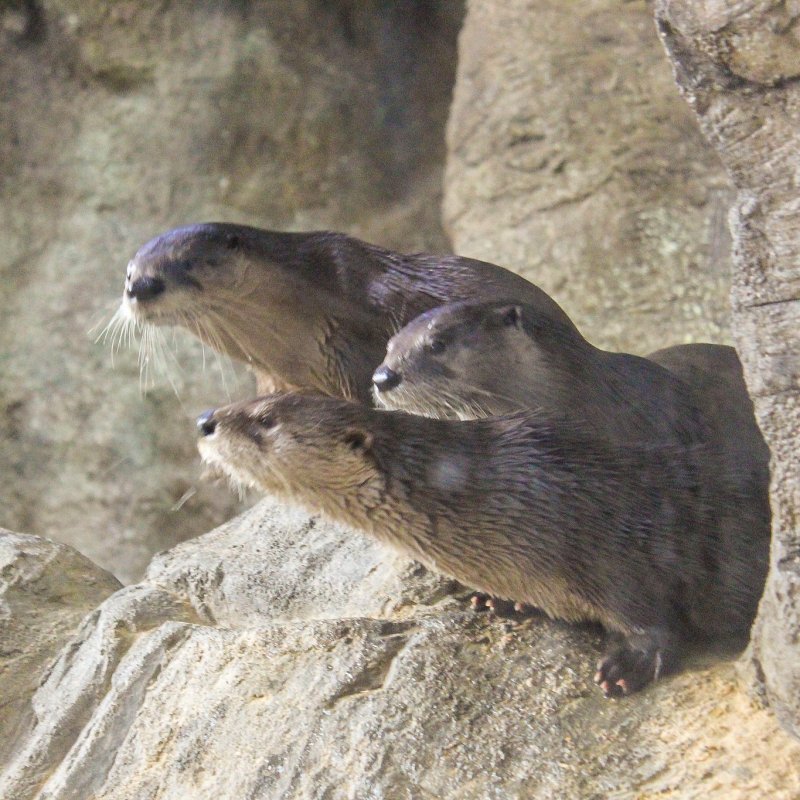
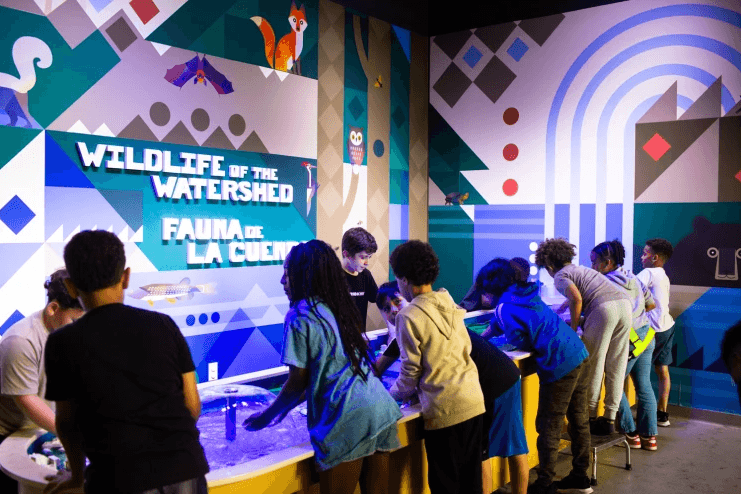
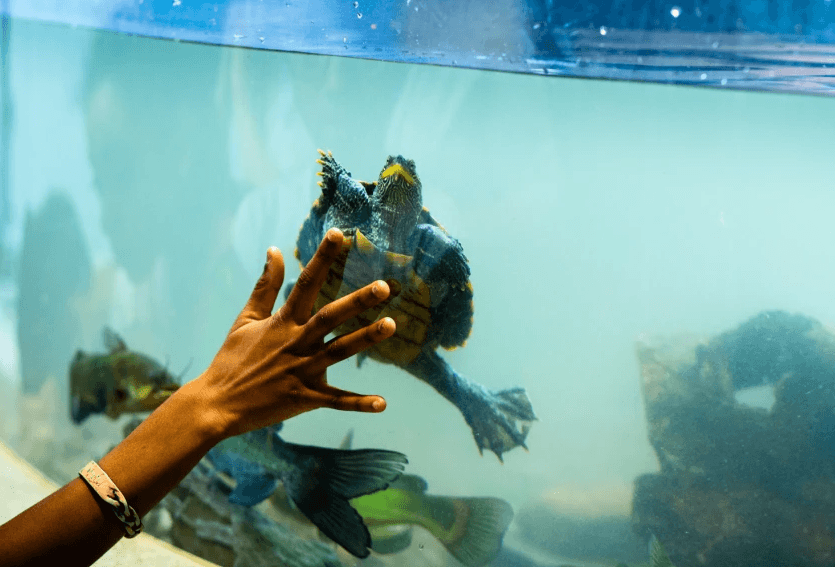
Jace’s interest in marine biology may stem from his frequent visits to the Da Vinci Science Center, just down the street from Central Elementary STREAM (Science, Technology, Reading and Writing, Engineering, Arts, and Mathematics) Academy, where he attends elementary school. During weekly instructional periods at the museum, Jace and many of his classmates watch the North American river otters, playful mammals that have become a highlight for many students. The exhibit focuses on the Lehigh River Watershed, a portion of which runs through Allentown.
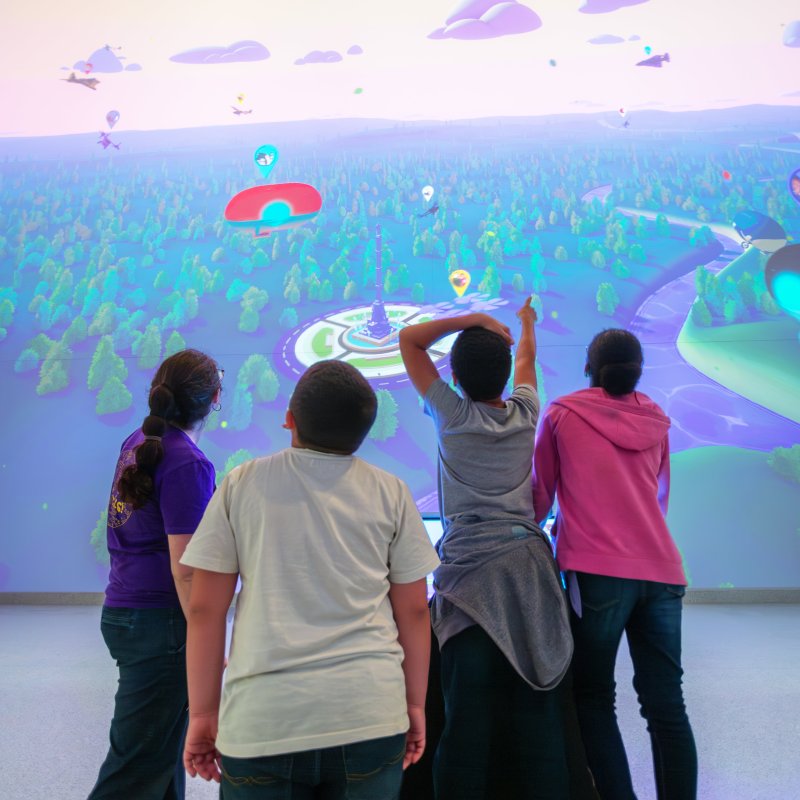
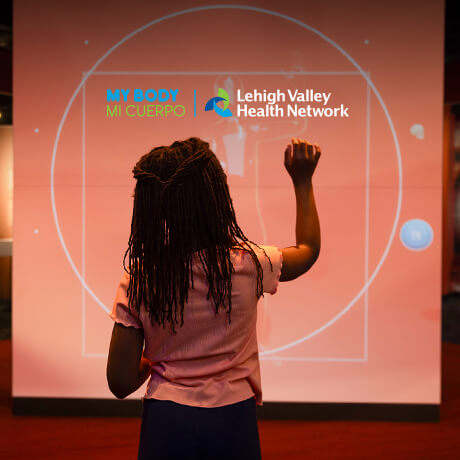
After roaming the museum, Jace and his classmates—as well as students from other grades at his school—line up and head to the elevators, which deliver them to the museum’s lower level: more than 13,000 square feet of classroom space that functions as the school’s secondary campus. Here, district-employed educators, referred to as STREAM specialists, connect classroom lessons to real-life science experiences.
The school’s partnership with the nonprofit museum, whose mission is “to bring science to life and lives to science,” might seem like a luxury. But all of Central’s students come from under-resourced families, about 20% are English learners, and nearly half are considered transient. In 2025, less than 15% of the school’s students scored proficient in math or reading on the Pennsylvania System of School Assessment.
Still, school and district administrators believe change is underway, and this partnership is at the heart of it. At the start of the 2024-25 academic year, Central Elementary rebranded as the district’s first specialized elementary lab: Central Elementary STREAM Academy. The museum partnership supports the school’s strategy to integrate science, technology, reading, engineering, art, and mathematics into the curriculum.
More From the Newsroom
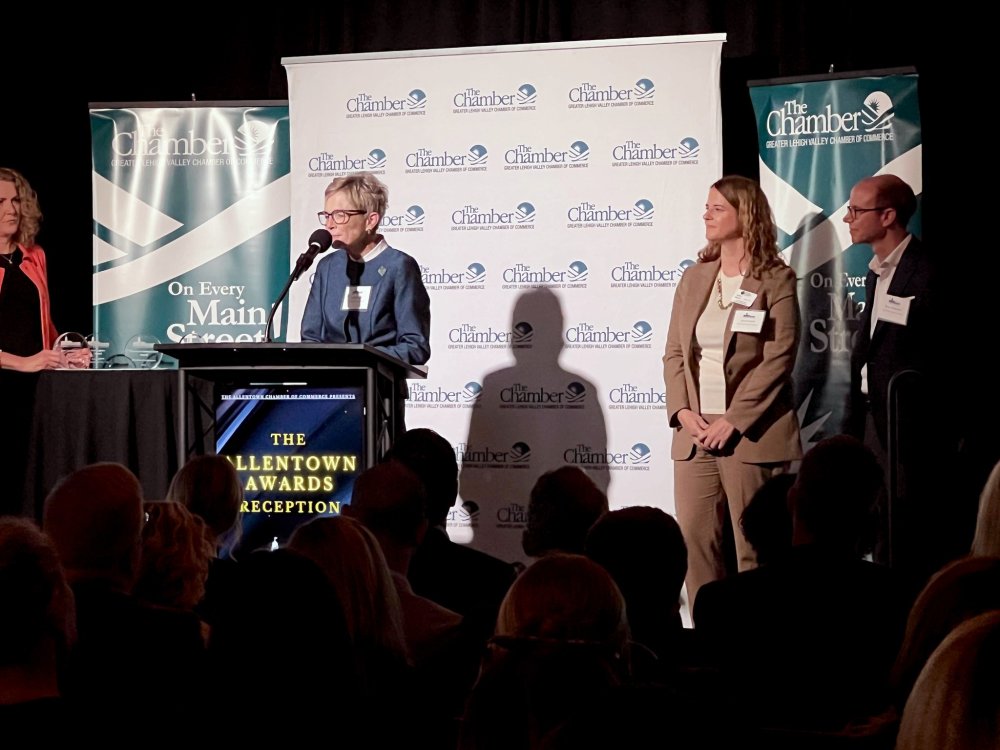
In the News: Science Center Honored with New Commitment Award from Allentown Chamber
Excerpt from story by Phil Gianficaro from LehighValleyNews.com Santo Napoli noted that good things take time. Napoli, an Allentown...
Read More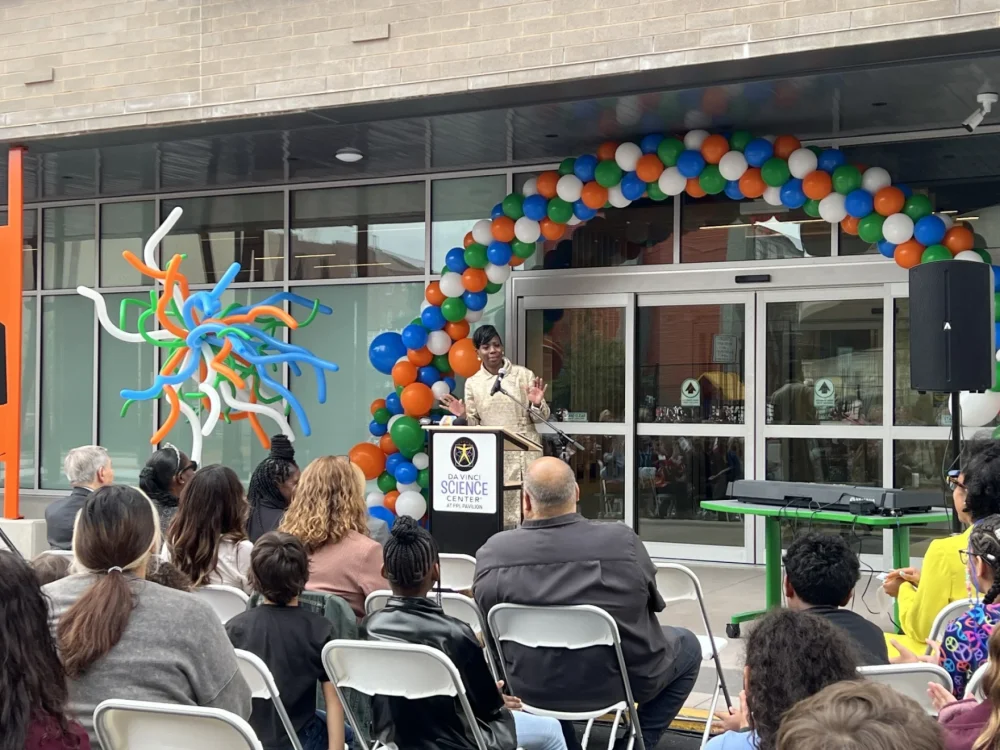
In the News: ‘National model’: Allentown STREAM Academy, Da Vinci center forge hands-on learning lab
Excerpt from a story by Jenny Roberts from LehighValleyNews.com At the new Central Elementary STREAM Academy, students have spent...
Read More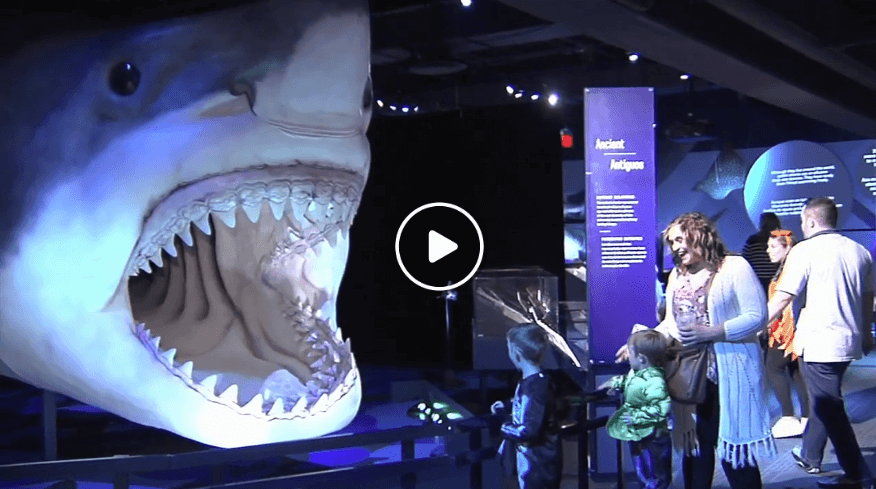
In the News: Da Vinci Science Center opens ‘Sharks’ exhibit
Excerpt from story by Grace Griffaton from WFMZ 69 News There’s something fishy about the Da Vinci Science Center’s...
Read More